The TENS/EMS Procurement Mistakes That Cost Us $12,000 (And How to Avoid Them)
A procurement manager shares hard-learned lessons about buying TENS therapy and EMS devices for clinics, including the hidden costs of electrode pads and why muscle recovery equipment specs can be misleading.
Introduction: The "Simple" Purchase That Wasn't
In 2020, I was asked to source 40 TENS/EMS devices for our outpatient rehab network. I thought it would be easy. You pick a unit, buy some electric pads for muscles, and you're done. Right?
Wrong. That first order cost us $4,200 in wasted budget and a month of frustration. And it wasn't the last mistake. Over the next four years, I documented seven significant errors in buying electro therapy pads and muscle recovery equipment. Total waste: roughly $12,000.
I'm not proud of it. But I share this because most procurement guides focus on the device. The real pitfalls are in the details nobody talks about.
The Surface Problem: Everyone Focuses on the Device Specs
When clinics buy TENS/EMS devices, they usually compare three things: price, number of channels, and maximum output. That's what the brochures show. That's what sales reps push.
But after our third device failure in six months, I realized we were solving the wrong problem. The devices worked fine. The issue was everything around them.
The Deep Causes: What I Wish I'd Known Earlier
1. The Electrode Pad Ecosystem Is a Trap
Here's the thing about electric pads for muscles: they are not universal. Connector types vary (pin, snap, pigtail). Sizes vary. And the conductive gel quality varies wildly.
In my first year, I made the classic rookie mistake: assumed "standard" connectors meant the same thing to every vendor. Cost me a $600 redo on a single order. We had 200 pads that didn't fit a single device.
What I learned: always buy a sample pad first. Test the connector. Check the gel. (Note to self: keep a connector gauge in the office.)
2. TENS and EMS Are Not Interchangeable
Many buyers treat "TENS EMS" as one category. It's not. TENS therapy targets nerve fibers for pain relief. EMS targets muscle motor points for contraction. The waveforms, frequencies, and pulse widths are different.
We bought 15 "combo" units that promised both. But the EMS mode was an afterthought—weak output, limited frequency range. Physical therapists stopped using them. They sat in a closet.
That was a $2,700 mistake. The surprise wasn't the price. It was how much the therapists valued proper EMS settings for muscle recovery equipment.
Also, remember that TENS devices are Class II medical devices under FDA regulations. That means they require 510(k) clearance. If a supplier can't provide that, walk away.
3. The Hidden Cost of Cheap Pads
Budget electrode pads look like a no-brainer. Why pay $1.50 per pad when you can get them for $0.40?
Because cheap pads lose conductivity after 3-4 uses. They leave residue. Patients complain about skin irritation. And you end up replacing them 4x as often.
I ran the numbers after a year: the "cheap" pads cost us 60% more per treatment than the mid-range ones. Plus the nursing staff wasted time cleaning residue.
4. Supplier Support Is Not Optional
The device that fails in month 13 (just after warranty) is a special kind of pain. We had a batch of 20 units where the battery died at 14 months. The supplier offered a "discount" on replacements—30% off. Not covered.
That's when I started requiring a minimum 2-year warranty and a local service partner. It added 10% to upfront cost. Worth every penny.
The Cost of Not Fixing This
Let's tally the damage from those early mistakes:
- $4,200 on incompatible pads and connectors
- $2,700 on underperforming combo units
- $1,800 on cheap pads that needed constant replacement
- $3,300 on out-of-warranty repairs and replacements
Total: $12,000. Plus the soft costs: clinician frustration, delayed patient treatments, and my own credibility.
I still kick myself for not documenting the vendor's verbal promise on pad compatibility. If I'd gotten it in writing, we'd have had grounds for a return.
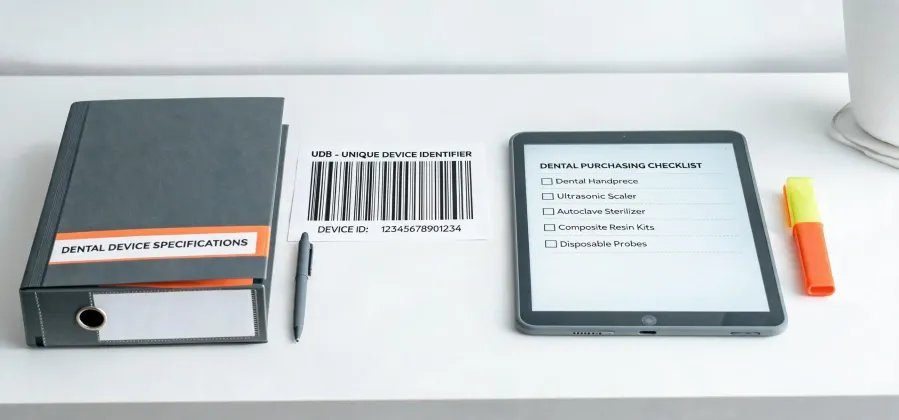
The Fix: A Simple Pre-Purchase Checklist
After the third rejection in Q1 2024, I created our pre-check list. We've caught 47 potential errors using it in the past 18 months.
Here's the short version:
- Connector check: Order a sample pad. Verify it fits your existing devices.
- Mode validation: If you need both TENS and EMS, test the EMS mode specifically. Don't trust the spec sheet.
- Pad lifecycle cost: Ask for the expected number of uses per pad. Calculate cost per treatment.
- Warranty and support: Minimum 2 years. Local service partner. Loaner units during repair.
- Clinical training: Does the supplier provide hands-on training? For free?
That's it. No magic. Just a list that prevents the same mistakes.
Final Thought: The Industry Is Evolving
What was best practice in 2020 may not apply in 2025. Devices are getting smarter—wireless, app-controlled, with better electrodes. But the fundamentals haven't changed: compatibility, clinical fit, and total cost of ownership.
If you're buying TENS/EMS devices or muscle recovery equipment, don't just compare the device specs. Look at the ecosystem. Your future self will thank you.
— A procurement manager who learned the hard way

Samuel Okafor
Samuel Okafor is an in-vitro diagnostics and clinical laboratory equipment analyst covering chemistry and hematology analyzers, immunoassay systems, PCR platforms, centrifuges, and electronic pipettes. He applies IEC 61010-2-101 and examines analytical sensitivity, precision, carryover, calibration traceability, sample throughput, reagent stability, reportable range, and operator maintenance requirements. His guides help laboratory directors, clinical scientists, quality teams, and buyers evaluate assay performance, biosafety, automation capacity, consumable dependence, and total workflow cost.